
Why Choose an IP55 Off-Grid Inverter? | Quiet High-Protection Guide

Tags:
IP55 off-grid inverter, quiet off-grid inverter, high-protection solar inverter, long-term off-grid living, WeVolt IP55
When people choose an off-grid inverter, they often compare power rating, price and PV input. But for long-term residential use, two other factors become extremely important: protection and noise.
An IP55 off-grid inverter is designed for users who want stronger environmental protection and a better daily user experience.
For homes, cabins, workshops and long-term off-grid living, IP55 can be a meaningful upgrade from traditional low-protection inverter designs.
IP55 is about stronger protection
Off-grid systems are often installed in places where dust, humidity and environmental changes are common.
A traditional indoor inverter may work in the beginning, but over time the installation environment can become a real challenge.
An IP55 off-grid inverter offers a higher protection level, making it more suitable for users who want fewer long-term worries.
This is especially important for:
Residential solar systems
Off-grid homes
Cabins
Garages
Farms
Workshops
Technical rooms
Installer-led projects
Quiet operation matters for residential use
Noise is one of the most underestimated factors in off-grid systems.
Many traditional off-grid inverters can become noisy when charging, cooling or running higher loads. If the inverter is installed near living areas, this can become annoying.
For long-term off-grid living, users do not want to hear the inverter every day.
A quiet off-grid inverter helps make the system feel more comfortable and more premium. This is especially important for homes, cabins and small living spaces.
IP55 supports upgraded off-grid living
Off-grid living is no longer only about surviving with basic power. Many users want a better living experience.
They want to run refrigerators, pumps, washing machines, lights, communication devices and other household loads with confidence.
They also want the system to be stable, quieter and easier to live with.
An IP55 off-grid inverter fits this trend because it is designed around long-term use, not just low upfront cost.
Why installers should care about IP55
For installers, IP55 can be a strong selling point.
Customers may not understand every technical specification, but they can understand:
Better protection
Quieter operation
Stronger long-term reliability
Lower after-sales risk
Better warranty support
A higher-quality inverter can reduce complaints and improve the customer’s perception of the whole solar system.
IP55 vs IP54
Both IP54 and IP55 are better-protection options compared with traditional basic indoor inverter designs.
IP54 is a practical and affordable upgrade.
IP55 is better suited for users who want a stronger residential experience, especially when quiet operation and long-term comfort matter.
WeVolt IP55 positioning
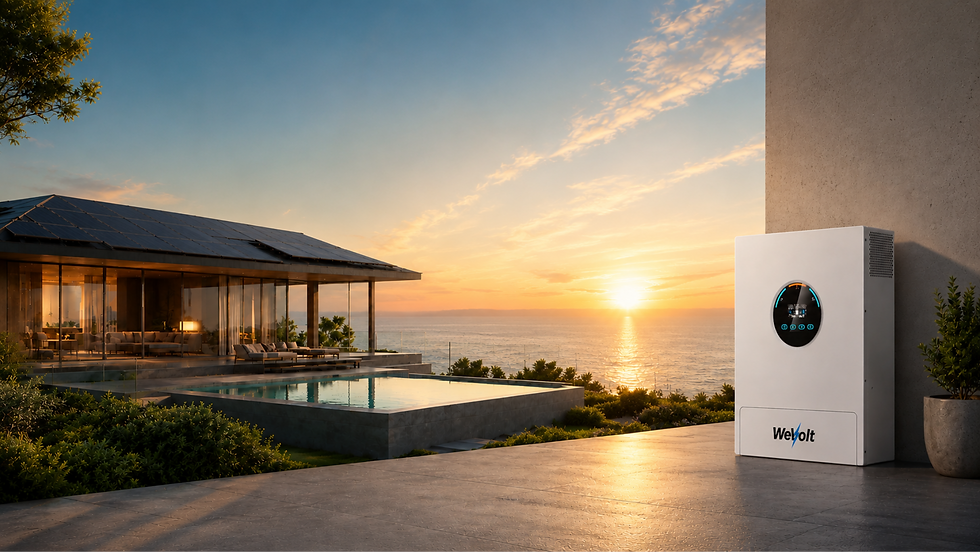
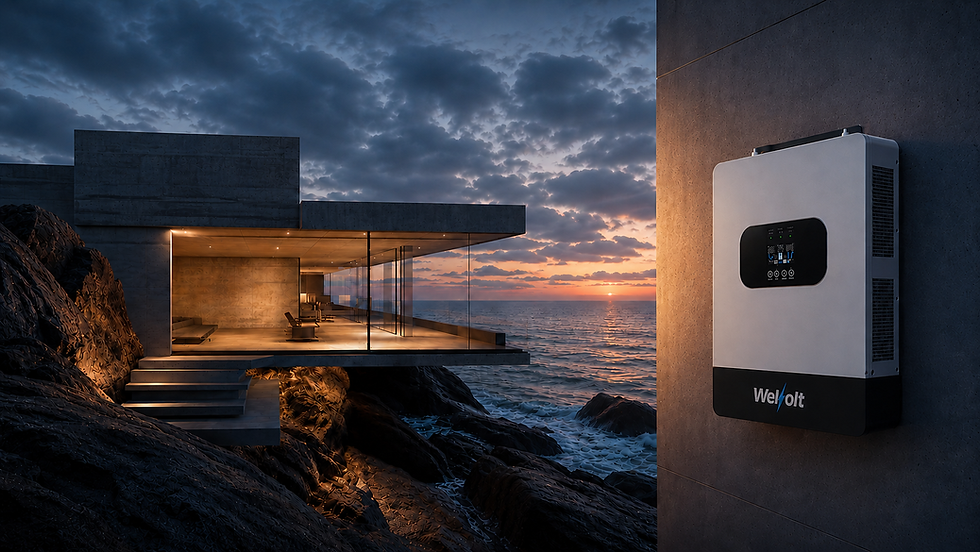
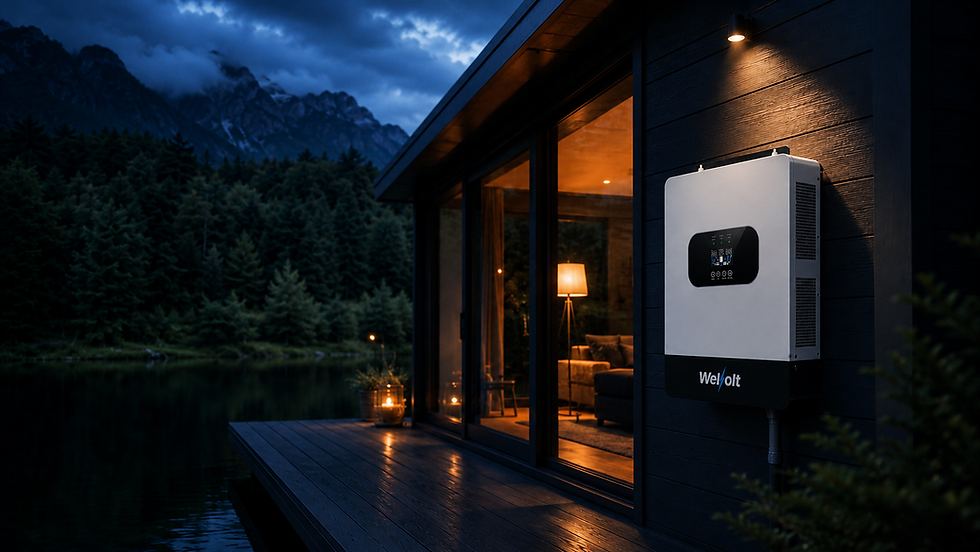
WeVolt IP55 off-grid inverters are designed for upgraded off-grid living.
The IP55 series focuses on high protection, quieter operation, practical performance and long-term reliability. It is suitable for homeowners, installers, distributors and solar users who want more than a basic low-cost inverter.
Conclusion
Choosing IP55 is not only about buying a more protected inverter. It is about choosing a better daily experience.
If your off-grid system is for long-term living, residential use or professional installation, an IP55 off-grid inverter can be a strong investment.
FAQ:
Is IP55 better than IP54?
IP55 generally offers a higher protection level and is better suited for users who want stronger long-term protection and residential comfort.
Is an IP55 off-grid inverter quieter?
Noise depends on design, but IP55 models such as WeVolt IP55 are positioned for quieter residential operation compared with many traditional inverter designs.
Who should choose IP55?
Homeowners, installers and long-term off-grid users who care about protection, comfort and reliability should consider IP55.
CTA:Explore WeVolt IP55 off-grid inverters for quiet, high-protection solar systems designed for long-term living.
Comments