
Traditional Off-Grid Inverter Pain Points

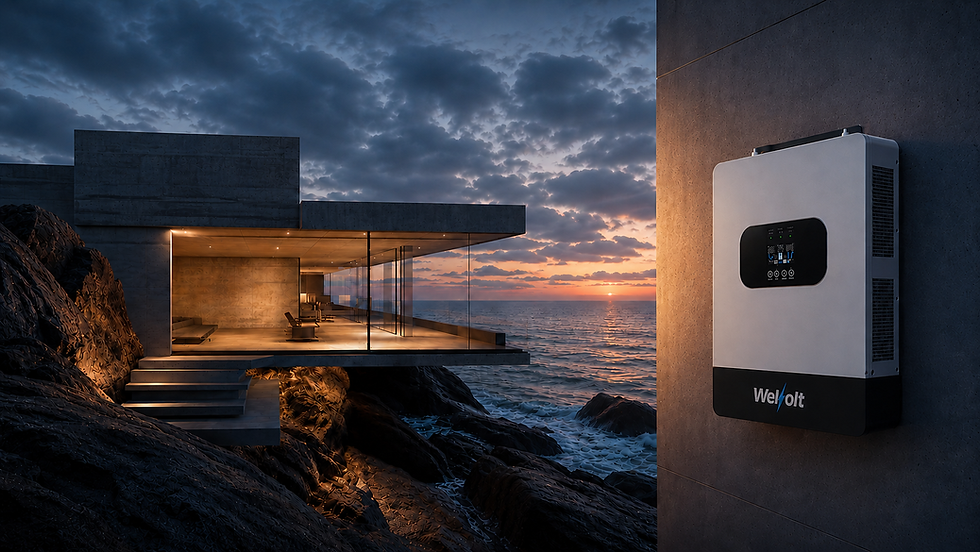
Traditional off-grid inverters have helped many people build affordable solar systems. They are widely used in cabins, farms, workshops, backup systems and DIY solar projects.
But as more people start using off-grid systems for daily living instead of occasional backup power, the expectations become higher. Users do not only want an inverter that can turn on. They want a system that can run reliably, stay reasonably quiet, handle real household loads and reduce long-term maintenance worries.
This is where many traditional off-grid inverters show their limitations.
1. Low protection level
Many traditional off-grid inverters are designed with basic indoor protection, often suitable only for clean and dry environments.
In reality, off-grid systems are often installed in garages, workshops, farms, storage rooms, cabins or semi-protected utility spaces. These places may have dust, humidity, insects, temperature changes and less-than-perfect ventilation.
When an inverter is used in these real environments for years, protection level becomes important. A low-protection inverter may work in the beginning, but long-term exposure can increase risk.
This is why high-protection off-grid inverter designs such as IP54 and IP55 are becoming more important for long-term solar systems.
2. Noise under real use
Many users only notice inverter noise after installation.
Traditional off-grid inverters often rely on fan cooling. When the system is charging batteries, powering heavier loads or working in warmer conditions, the fan noise can become noticeable.
For a workshop, this may not matter much. But for a home, cabin or residential off-grid system, noise can affect daily comfort.
A quiet off-grid inverter is especially important when the inverter is installed near living areas, utility rooms, garages connected to the house or small residential spaces.
3. Weak performance under overlapping loads
On paper, an inverter may look powerful enough. But real household loads are not always simple.
A home may run a refrigerator, water pump, washing machine, lights, router and cooking appliances at the same time. Some loads also need higher startup power.
Traditional off-grid inverters may struggle when multiple loads overlap. This can lead to overload warnings, shutdowns, unstable operation or customer frustration.
For long-term off-grid living, stable performance under real use is more important than attractive numbers on a brochure.
4. Limited long-term reliability
A low purchase price can be attractive, especially for DIY users or price-sensitive projects. But if the inverter causes repeated trouble, the real cost becomes higher.
Common long-term issues may include:
Frequent alarms
Fan noise complaints
Overload shutdowns
Dust or moisture-related problems
Battery compatibility issues
Difficult after-sales support
Unclear warranty handling
For installers, these issues also create after-sales pressure. Every service call costs time, labor and customer trust.
5. Hidden costs after installation
The real cost of an off-grid inverter is not only the purchase price.
Hidden costs can include extra troubleshooting time, replacement labor, customer complaints, system downtime, shipping costs, repair delays and lost confidence.
For long-term users, an inverter failure can affect daily life. For installers, it can affect reputation and profit.
That is why it is important to choose an inverter based on total long-term value, not only the first price.
6. Why upgraded off-grid inverter design matters
Modern off-grid users need more than basic power conversion. They need better protection, quieter operation, stronger overload capacity, battery compatibility and clearer warranty support.
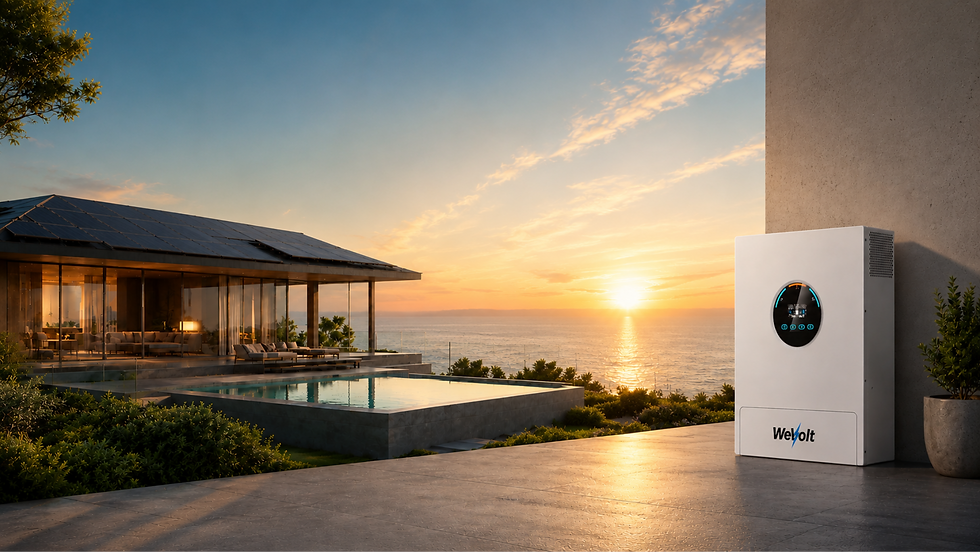
A high-protection solar inverter can make the whole system more suitable for real-life conditions.
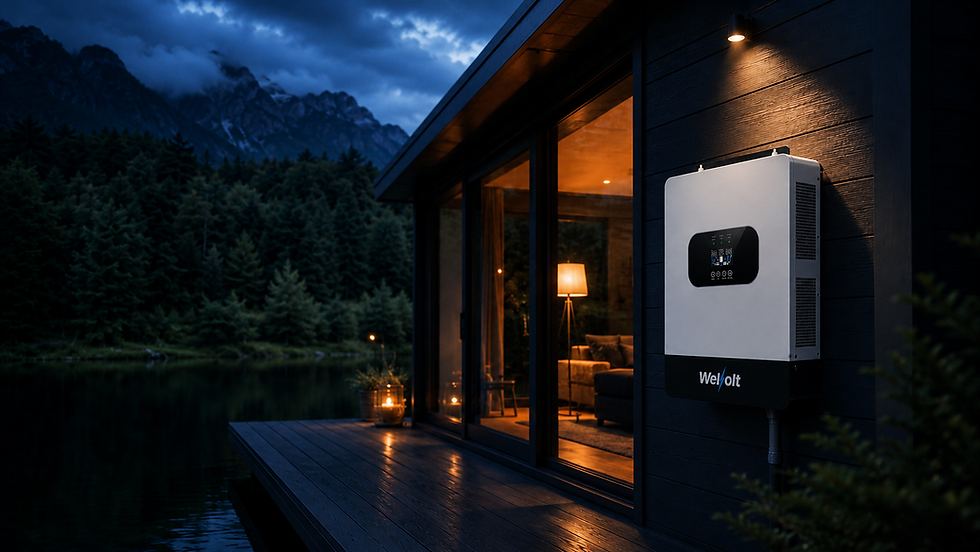
For WeVolt, this is the reason behind our IP54 and IP55 off-grid inverter positioning. We focus on practical long-term reliability, better protection and a more upgraded residential off-grid experience.
Conclusion
Traditional off-grid inverters can still work for simple systems and controlled indoor environments. But for users who want long-term off-grid living, residential solar power or lower after-sales risk, the pain points become clear.
The better question is not only “How cheap is the inverter?”The better question is:
Will this inverter still be reliable, comfortable and easy to support after years of real use?
FAQ:
Are traditional off-grid inverters always bad?
No. Many traditional inverters can work in simple systems. The problem is that they may not be ideal for long-term residential use or demanding environments.
Why is protection level important for off-grid inverters?
Because many systems are installed in garages, workshops, farms or cabins where dust and humidity can affect long-term reliability.
What is a better alternative to traditional IP20 off-grid inverters?
For many users, IP54 or IP55 off-grid inverters offer a better balance of protection, comfort and long-term value.
CTA:Explore WeVolt IP54 and IP55 off-grid inverters designed for upgraded off-grid living, stronger protection and fewer long-term worries.
Comments